
Fuel Costs Are Rising Again. Here's How Field Service Businesses Protect Their Margins.
-

-
-

08 Apr, 2026
-

10 min read
-
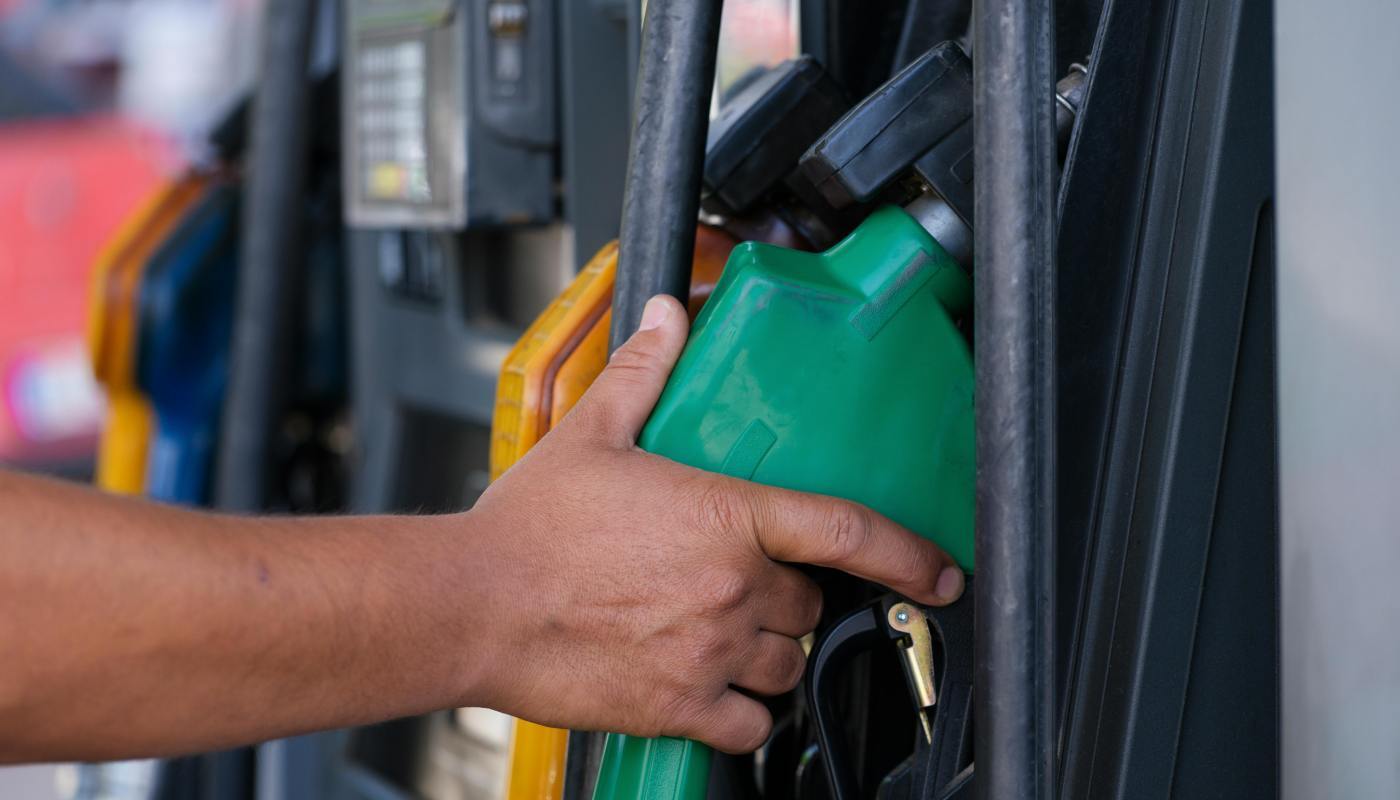
At the end of February 2026, diesel cost around 142p per litre. By early April it had reached 185–190p at forecourts across the UK, a rise of more than 40p in six weeks. A 55-litre van tank now costs close to £100. Six weeks ago the same fill cost roughly £21 less.
The trigger was the outbreak of conflict in the Middle East and its impact on the Strait of Hormuz, the shipping lane that carries around 20% of the world's oil supply. When that route came under pressure, wholesale diesel prices surged. UK pump prices followed, and they have not finished rising. The fuel duty cut in place since 2022 expires on 31 August 2026, after which duty increases in three stages: 1p in September, 2p in December, and a further 2p in March 2027. Analysts are already warning that 190p-plus diesel is increasingly likely before the year is out.
For a field service business running eight to ten vans, this is not an inconvenience. It is a direct hit to margins that were already under pressure from April's employer National Insurance changes. The S&P Global PMI survey for March 2026 recorded the biggest monthly jump in UK services sector input costs since 2021. Fuel was one of the primary drivers.
Today, let's take a look at the three decisions most field service businesses are facing right now: how much fuel cost to absorb versus pass on to customers, where the operational waste is hiding, and how other businesses are managing the combined pressure of rising costs in 2026.
What fuel is actually costing you per job
Most field service business owners know their monthly fuel bill. Very few know their fuel cost per job, per engineer, or per mile. That distinction matters now more than it did when diesel was 140p and stable.
The calculation is straightforward. A van covering 400 miles per week at 35 mpg uses roughly 50 litres of diesel. At 185p per litre, that is £92.50 per week in fuel alone for one engineer, around £4,800 per year. At the February price of 142p it was £71 per week, or about £3,700 annually. The annual increase per engineer, just from the price spike, is over £1,000 before the August duty rise feeds through.
For a ten-van business, that is £10,000 of additional annual fuel cost from the February-to-April spike alone, assuming nothing changes operationally. If duty increases proceed as scheduled, the pressure continues into 2027.
The cost per job depends on how many jobs each engineer completes per day and how far they travel between them. An engineer doing six jobs a day and driving 80 miles between sites has a fuel cost per job that is materially different from one doing four jobs over 30 miles. Without tracking this, it is impossible to know whether your current pricing covers your actual costs or not. At 185p diesel, the margin for error is smaller than it was. Fieldmotion's sales margin calculator makes it straightforward to build fuel as an explicit cost line in your job pricing rather than absorbing it into a general overhead figure.

Absorb or pass on: the case for each
The research is clear on what UK businesses are actually doing right now. A Close Brothers survey found that 24% of businesses have fully passed rising operational costs on to customers, 61% have done so partially, and 15% have absorbed them entirely. Very few businesses are doing nothing.
The decision is not purely financial. It is also a relationship and competitive question, and the right answer depends on your customer mix.
The case for passing costs on is strongest when you have commercial clients on service contracts or planned maintenance agreements, particularly in sectors like facilities management, housing, or healthcare. These customers understand cost escalation. A price adjustment tied to a specific, verifiable external event (and diesel at 185p per litre is about as verifiable as it gets) is far easier to communicate than a general rate increase with no obvious trigger behind it. The key is transparency: tell them what changed, show the maths, and give reasonable notice. Framing the increase as a fuel surcharge rather than a rate increase also makes it easier to reverse if prices fall, which protects the relationship longer term.
The case for absorbing is strongest with domestic or residential customers where switching costs are low and the relationship is less formal. A 5–10% price increase on a reactive callout will send some customers looking for alternatives, particularly in a cost-of-living environment where households are also feeling the pressure at the pump. If your volume depends on word of mouth and local reputation, protecting customer goodwill may be worth more than the short-term margin recovery.
Most businesses are doing neither cleanly. They are passing on partial increases to some customers while absorbing the rest, making those decisions case by case. That is pragmatic, but it creates inconsistency in your job costing and makes it difficult to know which parts of the business are genuinely profitable.
The pricing psychology article covers how to frame price increases in ways that preserve customer relationships. The job costing article covers how to build fuel as a visible cost line in your job margin calculations rather than leaving it buried in overhead.

How to reduce the fuel bill without raising prices
Before reaching for customer price increases, there is usually a meaningful amount of fuel cost that can be recovered through operational change. Most of it comes from three places: wasted mileage, poor scheduling, and reactive rather than planned job allocation.
Wasted mileage is the gap between the miles an engineer actually drives and the minimum required to complete their jobs. In a business using manual scheduling or spreadsheets, that gap is typically significant. Sending an engineer across town for a job that a colleague was already passing close to, dispatching reactively based on availability rather than location, or failing to group jobs by geography: each of these adds miles that serve no purpose. Route optimisation research across multiple field service fleets consistently shows fuel reductions of 15–25% from better route planning alone, before any other changes are made. For a ten-van business currently spending £48,000 a year on diesel, that is a potential saving of £7,000–£12,000 annually, more than enough to offset the recent price spike.
The revenue argument is even stronger. An engineer currently spending 40% of their day driving can gain one to two additional billable job slots per day from smarter routing. For a business charging £150 per callout, an extra job per day per engineer adds £750 per week across a five-engineer team. That dwarfs the direct fuel saving.
Reactive job allocation is the enemy of fuel efficiency. When every job is dispatched reactively, as the call comes in, to the nearest available engineer, the schedule accumulates inefficiencies. The same postcode gets visited three times in a week by different engineers on different days. Return visits happen because a part was unavailable. A job that could have been grouped with two nearby planned visits is handled as a standalone callout. Van stock management has a direct effect on fuel costs: an engineer who leaves a job to collect a part from a merchant spends fuel on a journey that generates no revenue.
Fuel cards with reporting provide a practical operational tool that many small field service businesses underuse. Rather than engineers filling up wherever is convenient, fuel cards paired with reporting software give the business visibility of cost per vehicle, mileage per job, and any anomalies in consumption. The government's Fuel Finder scheme, launched in February 2026 and requiring forecourts to report prices to third-party apps within 30 minutes, means it is now straightforward to identify the cheapest station on an engineer's route rather than the most convenient one. At a 15–20p per litre price difference between the cheapest and most expensive forecourt in the same area, the saving across a fleet is material.

How businesses are managing the wider cost squeeze
The fuel spike is landing on top of a stack of other cost increases that accumulated through April 2026. Employer National Insurance rose from 13.8% to 15% on 6 April 2025 with the threshold cut to £5,000, adding roughly £1,000 per employee per year. The National Living Wage rose again. Business rates changed. For a small employer with nine staff, the Federation of Small Businesses calculated that employment costs rose by £25,850 between January 2025 and April 2026, equivalent to the cost of an extra member of staff.
Against that backdrop, fuel hitting 185p is one more variable in a year that has already tested small business margins considerably. The Deloitte CFO survey for Q2 2025 found 69% of finance directors rated cost reduction as a strong priority, up from 51% the previous year. Bank of England Governor Andrew Bailey acknowledged in late March that firms had limited pricing power to pass on cost increases to customers, even as some pass-through was inevitable.
The businesses managing this best tend to share a few characteristics. They know their cost per job rather than relying on overall revenue as a proxy for profitability. They have moved at least some customer base to service contracts or planned maintenance agreements, which provide predictable work and allow sensible route planning rather than purely reactive dispatch. And they treat fuel as a managed cost line with visibility into consumption per vehicle, rather than an overhead that just lands on the P&L each month.
The service contracts article covers the practical mechanics of building planned maintenance agreements that support both cash flow and operational efficiency. The late payments article covers the other side of the same problem: when fuel costs rise, a slow-paying customer stops being an inconvenience and starts being a cash flow risk. The £500k to £2m article covers the structural differences between businesses that absorb cost shocks and those that don't.
What Fieldmotion does for fleet efficiency
The direct connection between job scheduling and fuel cost is one of the clearest return-on-investment arguments for field service management software when diesel is at 185p per litre.
Fieldmotion's scheduling module gives dispatchers a live view of engineer location, current job, and daily workload, so new jobs can be assigned based on proximity and capacity rather than whoever picked up the phone last. Grouping jobs geographically rather than by availability alone is the single most effective way to reduce dead mileage for a team of five to fifteen engineers, and the scheduling view makes it visible rather than guesswork.
Planned maintenance scheduling allows recurring visits to be batched by area and sequenced in advance rather than handled reactively. A team managing planned maintenance contracts can build routes weeks ahead rather than reacting job by job, cutting the mileage inefficiency that reactive dispatch creates.
Job-level data from the mobile app also gives the business cost visibility it cannot get from spreadsheets: time on site, miles driven, parts used, and job margin, all in one place. When fuel costs rise, knowing which jobs are profitable and which are not is the difference between a pricing conversation grounded in data and one based on a rough guess. The field service data article covers how to turn job-level data into decisions that protect margin rather than leaving it to intuition.
FAQs
Should I add a fuel surcharge or increase my rates?
A fuel surcharge is easier to justify to customers because it references a specific, visible external cost that both parties can verify. It is also easier to remove if prices fall, which protects the customer relationship. A general rate increase is harder to reverse and requires a broader commercial justification. For commercial clients on contracts, a clearly communicated fuel surcharge tied to a published price index is the cleaner route. For domestic customers, a small general rate adjustment framed around cost of living is often more straightforward.
How much should I expect fuel costs to increase further in 2026?
Diesel was around 185–190p per litre in early April 2026. The 5p duty cut currently in place expires on 31 August, after which duty rises by 1p in September, 2p in December, and 2p in March 2027. If wholesale prices remain elevated due to the ongoing Middle East situation, analysts expect diesel to remain in the 185–200p range through the summer. If the geopolitical situation stabilises, some pullback is possible, but the duty increases from August are confirmed regardless of what happens to the oil price.
What is the quickest operational change to reduce fuel spend?
Geographic job clustering (grouping each engineer's daily jobs by location rather than assigning them by availability or booking order) consistently delivers 10–20% mileage reductions with no software investment required. It requires only a discipline change in how the dispatcher allocates work each morning. Route optimisation software then extends those savings further and automates what would otherwise require manual route planning for each engineer each day.


