
F-Gas in 2026: What’s Changing Across the UK and Ireland
-

-
-

03 Aug, 2026
-

13 min read
-
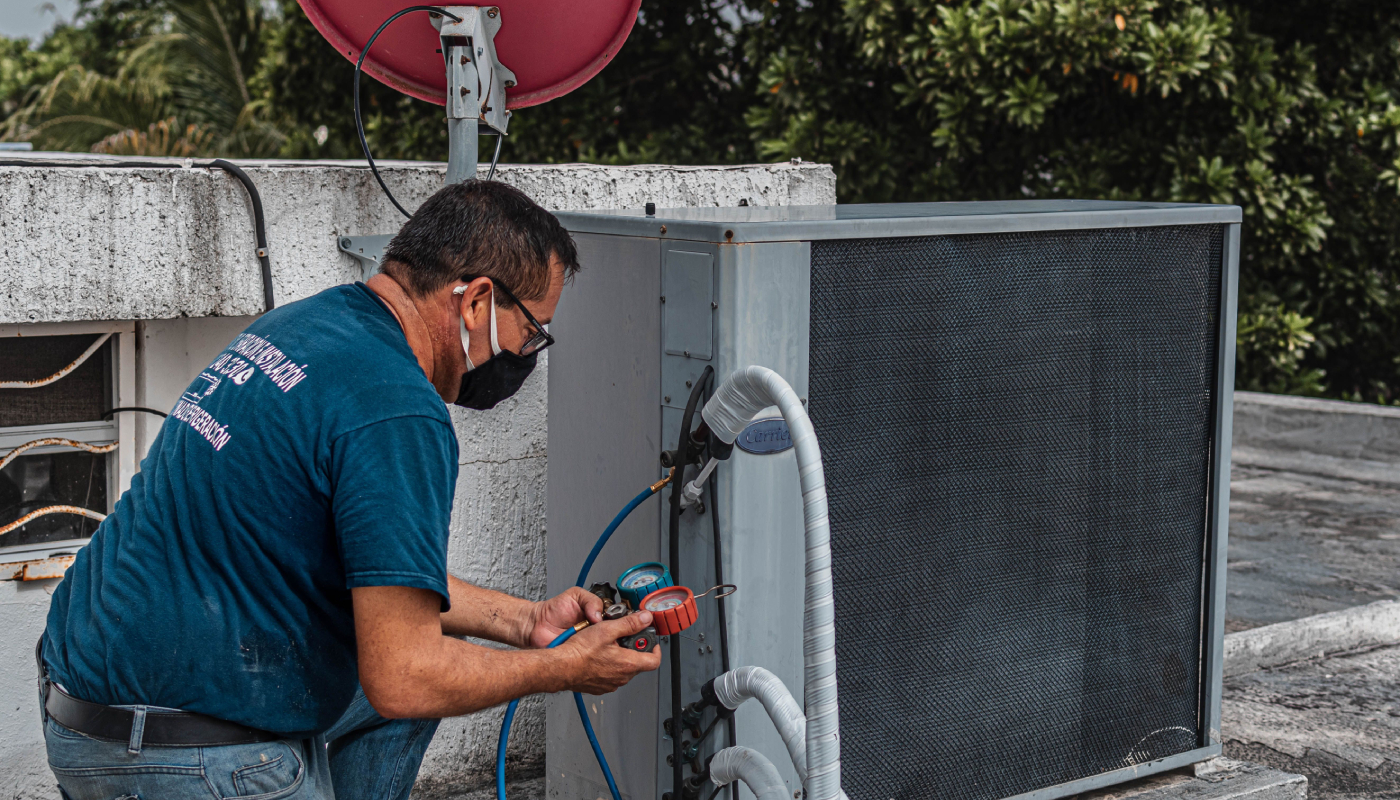
If you service refrigeration, air conditioning, or heat pumps, you have felt this coming for a while now. Gas prices creeping up. Wholesalers talking about R-410A the way they once talked about R-22. Manufacturers switching their new ranges, without much fanfare, to gases you have only recently started handling. None of it has arrived as one big bang, which is exactly why it is easy to put off thinking about, and exactly why the engineers who understand where it is heading are already pulling ahead of the ones who do not.
Here is the part that trips people up, though: what is actually changing depends heavily on where you work. An engineer in Cork, one in Belfast, and one in Manchester are now on three different timelines, because the rules diverged after Brexit. This guide sets out what is genuinely happening with F-Gas in 2026, jurisdiction by jurisdiction, what it means for the work in front of you, and, just as importantly, what has not changed and is not worth panicking about.
What F-Gas actually is, and why it is being squeezed
F-Gases are the fluorinated refrigerants most systems run on, the HFCs like R-410A, R-404A, and R-134a. They are very good at moving heat, which is why the industry has relied on them for decades. The problem is what they do if they escape: they are powerful greenhouse gases, some of them thousands of times worse for the climate than carbon dioxide, so the regulations exist to stop leaks and to cut the amount in circulation over time.
The mechanism doing most of the work is the phasedown. Rather than banning HFCs outright, the rules cap the total amount that can be sold each year and shrink that cap step by step. Less supply, higher prices, a steady push toward lower-GWP alternatives. That is why your gas bill has been climbing: it is the phasedown working as intended, not a temporary blip. One distinction matters for how you plan: this is a phase-down, not a phase-out. The gases are not being switched off; they are being throttled.
The one thing that has not changed: existing systems keep running
Before the dates and the divergence, some reassurance, because this is the question customers actually ask. Existing equipment is not suddenly illegal. A system running on R-410A or R-404A today can keep running, and you can keep servicing it. Nobody is going to make a customer rip out working kit overnight.
What is changing is what can be put on the market as new, and what refrigerant you can use to service certain systems. That distinction, between existing equipment and new equipment, and between virgin gas and reclaimed, is the key to reading all of this correctly. Most of the alarm out there comes from blurring it. So when a customer asks whether their system is about to become illegal, the answer is almost always no, but the useful follow-up is to talk to them about what comes next when it does eventually need replacing.
The Republic of Ireland and Northern Ireland: the EU timeline
If you work in the Republic of Ireland or Northern Ireland, you are on the EU rules, and this is the faster track. The Republic follows the revised EU F-Gas Regulation directly as a member state, and Northern Ireland follows it too under the Windsor Framework, which is one of the few areas where NI runs on EU rather than Great Britain rules. So for once, an engineer in Belfast and one in Dublin are working to the same book.
The headline date is 1 January 2027. From then, new split air conditioning systems and heat pumps below 12 kW containing refrigerant with a GWP of 150 or more cannot be placed on the market. That rules out R-410A and R-32 in that category of new equipment, pushing installers toward R-290 and other low-GWP options for new work. Single-split systems can still use F-Gas without a time limit provided the GWP stays below 750. The quota is tightening hard in the background too, dropping to roughly a quarter of the baseline in 2025 and about half that again by 2027, which is the real engine behind the price rises.
Leak checking has changed too, and it changes how you plan a job. Under the newer regulation, when you repair a system you no longer retest within 24 hours; you have to go back and recheck it after 24 hours have passed. As one Institute of Refrigeration webinar put it, that is a big deal if you are a contractor in Cork with a client out in Castletownbere, because it means a second trip rather than a same-visit retest. Oddly, the alternative refrigerants like propane are exempt from that leak-check requirement, so you can end up leak-checking an old R-32 unit but not the propane unit beside it, which will cause confusion on site for years.
Then there is the quota levy. Ireland and the rest of the EU now apply a charge of three euro per tonne of CO2 equivalent on refrigerant brought into the bloc, which works out at roughly six euro extra per kilo on average at the point of import, and more the higher the GWP. That is another reason the low-GWP gases increasingly make financial sense, not just regulatory sense.
Great Britain: a slower, separate track, for now
Great Britain, England, Scotland, and Wales, is a different story, and this is where a lot of the confusion comes from, because the trade press mixes the two up constantly.
After Brexit, GB kept the older retained version of the EU F-Gas Regulation and has not adopted the 2024 revision. So the EU's 2027 equipment bans do not currently apply in England, Scotland, or Wales. What is in force in GB is the earlier framework: the ban since 2020 on using virgin refrigerant with a GWP above 2,500, such as R-404A, to service larger systems, with reclaimed and recycled gas still permitted until 2030, and a ban from 2025 on placing certain new single-split systems under 3 kg with a GWP of 750 or more on the market, which affects R-410A.
The GB rules are widely expected to tighten. The government consulted at the end of 2025 on reforming the GB phasedown schedule, and that consultation closed in December 2025. But, and this is the part to get right, as things stand the government has said it will not legislate in 2026 to change the 2027 steps, and a formal response setting out next steps is due later in 2026. So the direction of travel in GB is clearly toward tighter control, but the specific new timeline is not yet law. If you work in GB, plan for tightening without treating the EU dates as if they already apply to you, because they do not.
What the new refrigerants mean on the tools
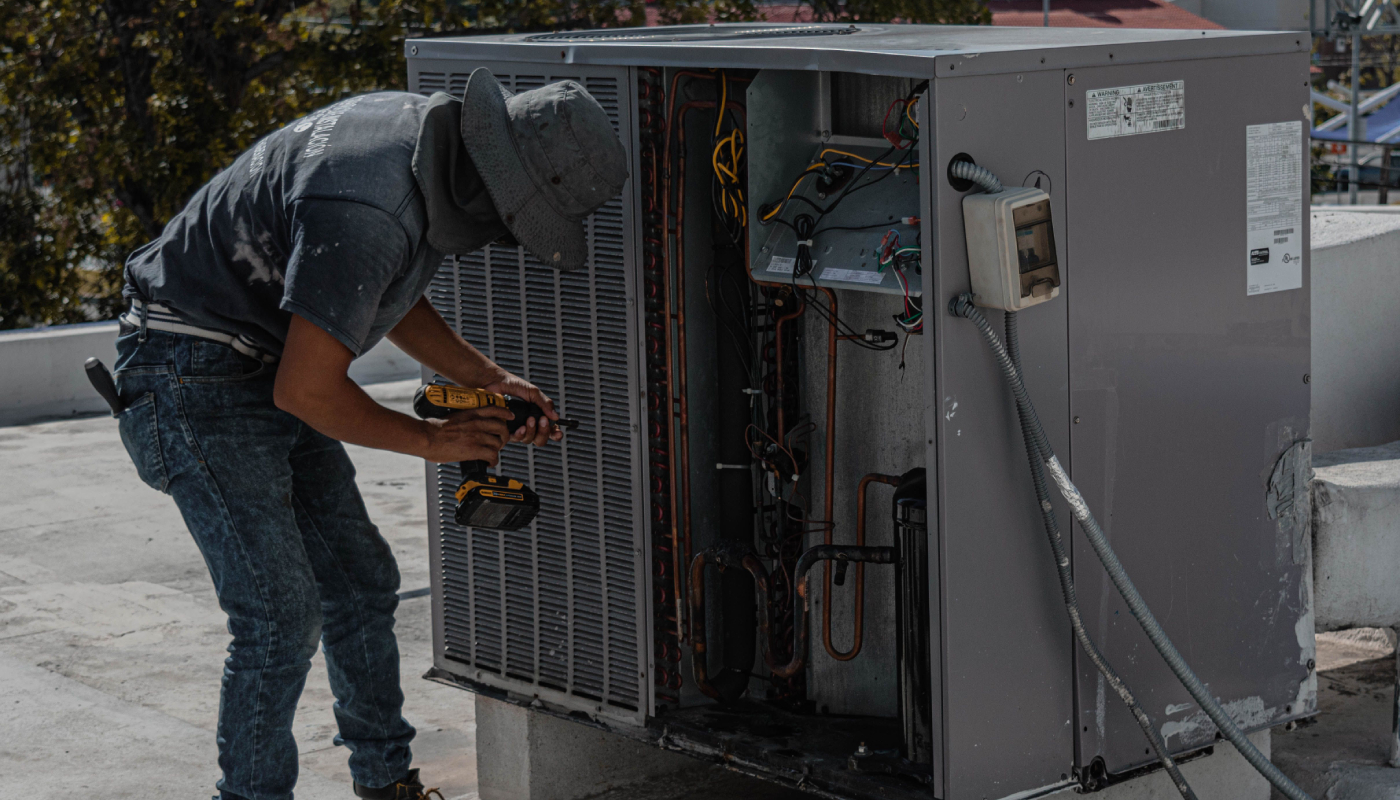
Whichever jurisdiction you are in, the shift is toward lower-GWP refrigerants: R-32 for a lot of new air conditioning, R-454B, and the naturals, R-290 propane, R-744 CO2, and R-717 ammonia in their respective niches. For the person actually holding the gauges, several of these behave differently from what you are used to.
R-32 and R-454B are A2L refrigerants, classed as mildly flammable. That does not mean dangerous in normal use, they are difficult to ignite, and new equipment is built with the safety features to match, but it does mean updated handling, new tools and leak detection, and the training that goes with them. The hydrocarbons go further: R-290 is propane, and anyone moving into it needs to respect that it is genuinely flammable, with the recovery and repair procedures that demands. The old habit of cutting into a system without thinking it through does not survive contact with propane. If you are moving into this work, the training is not a box-ticking exercise; it is the thing that keeps you safe.
None of this is a reason to be spooked. The industry has changed refrigerants before, and each time the new gases have brought better efficiency along with the hassle. It does, though, mean the ticket in your wallet matters more than it used to, and that leads to the part a lot of engineers have not clocked yet.
Certification: check yours still counts
The rules on who can legally handle refrigerant are tightening alongside the gases themselves, and this catches people out.
In the Republic of Ireland, a specific wrinkle bites: since Brexit, UK-based or UK-accredited certification is no longer compatible with the EU F-Gas regulation. Many engineers who trained under City & Guilds exchanged their certs for EPA-issued ones a few years back, and newer engineers now qualify through QQI-accredited training. The revised regulation also broadens the scope of what certification must cover, bringing the alternative refrigerants into the training, and member states including Ireland are required to have updated certification and training in place, with existing certificate holders expected to undergo refresher training. If your cert is old, or it is a UK one and you are working in the Republic, that is worth checking now rather than when a job depends on it.
In Great Britain, the certification requirement itself is unchanged, you still need the appropriate F-Gas qualification to do regulated work, and the company needs its certification where required, but the qualifications recognised diverge from the EU system post-Brexit. The upshot across all three jurisdictions is the same: do not assume the ticket you got years ago still covers everything you now do, especially as you move into A2Ls and naturals.
Why the record-keeping side is getting harder
There is a thread running through all of this that is easy to miss: every one of these changes generates more to document, and the documentation is a legal requirement, not admin for its own sake. Leak checks with their new timing rules, the refrigerant type and charge in every system, recovery records, the certificates behind the work, all of it has to be logged and produced on demand, and the penalties for not being able to are real.
Doing that on paper, across a run of sites, with different rules applying to different systems, is where contractors come unstuck. When the job, the refrigerant record, the leak-check history, and the certificate all live together and get captured on site as the work happens, compliance is a by-product of doing the job rather than a scramble. That is the same reason field service businesses in every regulated trade have moved off paper, and it applies with particular force in refrigeration, where the asset history and the job records are also your compliance evidence. Capturing leak checks and gas records through mobile forms tied to each system is what keeps the trail intact when an inspector or a client asks.
What to actually do about it
You do not need to overhaul anything this week, but a few moves make sense now rather than later.
Know your jurisdiction and plan to it. If you work in the Republic or Northern Ireland, the 2027 equipment bans are real and coming; design new installs around low-GWP gas now. If you work in GB, plan for tightening but do not assume the EU dates apply yet. If you work across the border, and plenty do, you are dealing with both.
Stop specifying high-GWP gas for new work. Whatever the exact date in your jurisdiction, the direction is one-way. Servicing existing R-410A systems with reclaimed gas is fine; starting new R-410A projects is planning yourself into a corner.
Check your certification and your team's, especially if you are moving into A2Ls or hydrocarbons, and especially if you hold a UK cert but work in the Republic.
Get your records straight, because the compliance burden is only going up, and the businesses that can produce a clean history on demand are the ones that keep the contracts.
The bottom line
F-Gas in 2026 is not a single deadline to brace for; it is a direction of travel that has been under way for years and is now accelerating, at different speeds depending on where you work. The Republic of Ireland and Northern Ireland are on the faster EU track, with real 2027 equipment bans and tighter leak-check and quota rules already biting. Great Britain is on a slower, separate track for now, with reform consulted on but not yet legislated. Everywhere, the gases are getting lower-GWP, the certification is tightening, existing systems keep running, and the paperwork is getting heavier.
The engineers and businesses who come through this well are the ones who understand which rules apply to them, stop installing yesterday's refrigerant in tomorrow's systems, keep their tickets current, and treat the growing compliance load as something to get organised rather than something to dread. The change is real, but it rewards the prepared.
This article is general guidance, not legal or compliance advice, and F-Gas rules differ by jurisdiction and are actively changing. For the current position, refer to GOV.UK and REFCOM in Great Britain, the EPA in the Republic of Ireland, and the DAERA in Northern Ireland, or the European Commission for the EU regulation, and check with your certification body before making decisions on refrigerant strategy.
FAQs
Is R-410A being banned?
Not exactly. R-410A is being phased down, not phased out, so it is not disappearing overnight and existing systems can keep running and being serviced. What is changing is that new equipment is moving away from it: in the EU, which covers the Republic of Ireland and Northern Ireland, new split air conditioners and heat pumps under 12 kW with a GWP of 150 or more cannot be placed on the market from 1 January 2027, which rules out R-410A in that category. Prices are rising as the quota tightens, so while you can still service R-410A systems, it makes sense to specify low-GWP gas for new installations.
Do the same F-Gas rules apply across the UK and Ireland?
No, and this is a common source of confusion. The Republic of Ireland follows the revised EU F-Gas Regulation as a member state. Northern Ireland also follows the EU regulation under the Windsor Framework, so it is on the same timeline as the Republic. Great Britain, meaning England, Scotland, and Wales, kept the older retained version after Brexit and has not adopted the 2024 EU revision, so the EU's 2027 equipment bans do not currently apply there. A reform of the GB schedule was consulted on in late 2025 but has not yet been legislated.
Can I still service existing systems with R-410A or R-404A?
Yes. Existing equipment is not made illegal by the phasedown, and you can continue to service it. There are limits on virgin high-GWP gas: in Great Britain, virgin refrigerant with a GWP above 2,500, such as R-404A, cannot be used to service larger systems, though reclaimed and recycled gas is permitted until 2030. The distinction between existing and new equipment, and between virgin and reclaimed refrigerant, is central to understanding what you can and cannot do.
What are A2L refrigerants and are they dangerous?
A2L refrigerants, such as R-32 and R-454B, are classed as mildly flammable. They are difficult to ignite and are considered safe when handled correctly, and new equipment is designed with appropriate safety features. However, they require updated handling procedures, tools, and leak detection, and the training that goes with them. Hydrocarbon refrigerants like R-290, which is propane, are genuinely flammable and demand stricter recovery and repair procedures. Any engineer moving into these refrigerants should get the proper training first.
Does my F-Gas certification need updating?
Possibly. In the Republic of Ireland, UK-accredited certification is no longer compatible with the EU regulation after Brexit, so engineers holding older UK certs and working in the Republic should check their position; certification there now runs through EPA and QQI-accredited routes. The revised EU regulation also broadens what certification must cover to include alternative refrigerants, and existing certificate holders are expected to undergo refresher training. In Great Britain you still need the appropriate F-Gas qualification, but the recognised qualifications have diverged from the EU system. If you are moving into A2Ls or hydrocarbons, or working across jurisdictions, confirm your certification covers the work.


