
Lone Working in Field Service: What the Law Actually Expects of You
-

-
-

09 Sep, 2026
-

12 min read
-
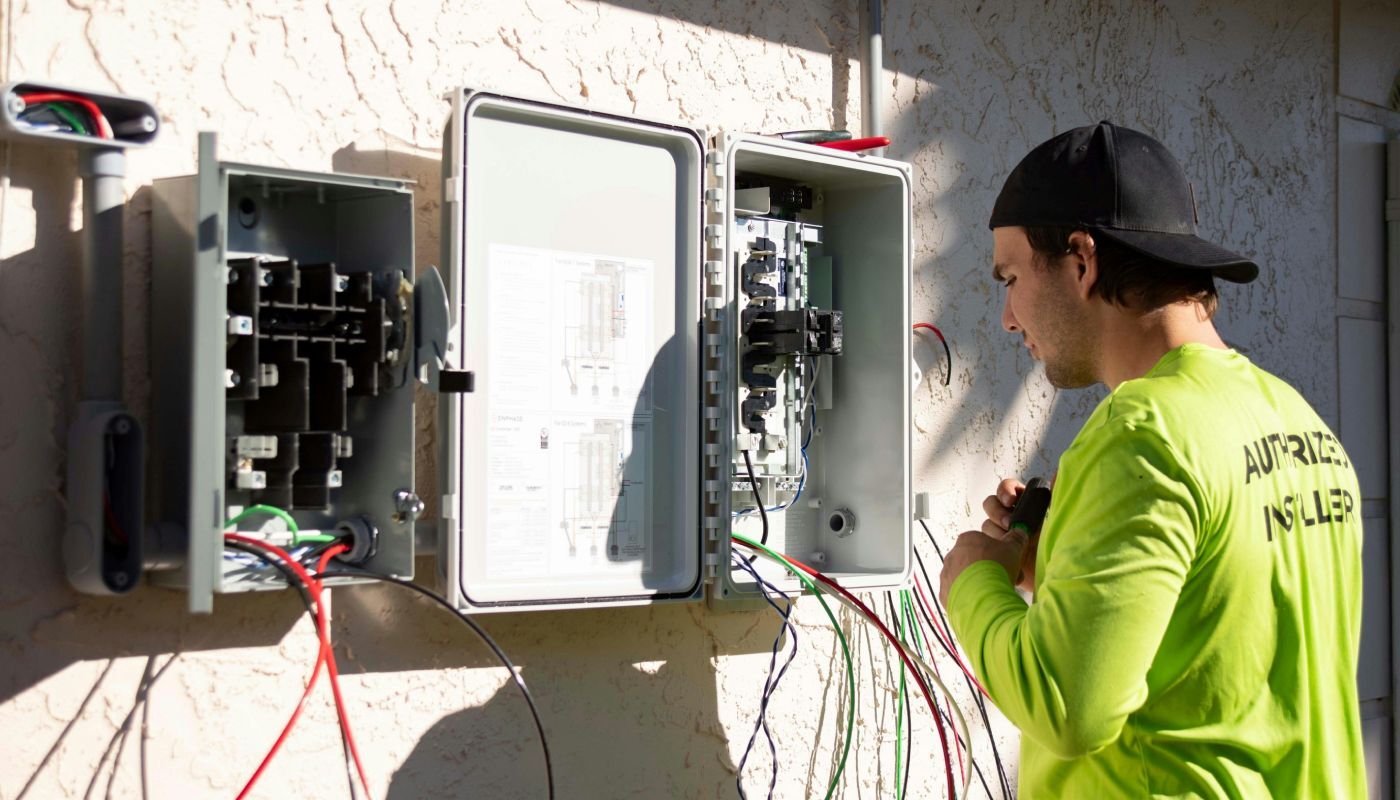
Almost every field service business runs on lone workers. The engineer who drives to a customer's house alone, diagnoses the fault alone, and works in someone else's property with nobody from the company nearby is the norm in this industry, not the exception. It is so normal that most owners never stop to think of it as a safety issue at all. Yet lone working carries real risks and real legal duties, and the businesses that ignore them are exposed in ways they often do not realise until something goes wrong.
None of this needs to become a bureaucratic headache, though. So let's walk through what lone working really means for a field service business, what the law in the UK and Ireland actually expects of you, and the handful of practical things that keep your people safe.
The thing that surprises people
A lot of owners have a nagging worry that sending someone out on their own might be against the rules. It is not. Both the UK and Irish health and safety authorities are clear that working alone is perfectly legal, and for most field service work it is perfectly safe too. The Health and Safety Executive in the UK states plainly that working alone is not in itself against the law, and Ireland's Health and Safety Authority says there is nothing in general legislation that prohibits a person from working alone.
So that is not where the duty lies. The duty attaches to something else: whether you have thought through the risks of people working alone and put sensible controls in place. Working alone is legal. Failing to assess and manage the risks of it is where a business falls foul of the law.
What counts as a lone worker
The definition is broader than most people assume, and it catches almost everyone in field service. Both the HSE and the HSA define a lone worker as someone who works by themselves without close or direct supervision. That is your engineers, plainly, but it also covers a lot of people owners might not immediately think of.
It includes anyone driving between jobs on their own, anyone working in a customer's home or on a commercial site without a colleague present, and anyone doing out-of-hours or emergency work solo. Importantly, in both jurisdictions it also covers subcontractors and self-employed people working on your behalf, not just employees on your payroll. Ireland's guidance is explicit that contractors and the self-employed count as lone workers in exactly the same way, and that an employer's duty can extend to them.
So the fact that someone is not directly employed by you does not necessarily put them outside your responsibility.

The risk assessment is the whole ballgame
If there is one thing to take from this, it is that the risk assessment is not box-ticking. In both countries, it is the legal mechanism that actually decides whether someone can safely work alone.
In the UK, the duty flows from the Health and Safety at Work etc. Act 1974 and the Management of Health and Safety at Work Regulations 1999, which require you to include lone workers in your general risk assessment and to remove or control any risks to them. In Ireland, Section 19 of the Safety, Health and Welfare at Work Act 2005 requires a risk assessment, and the law states that this assessment shall determine whether or not an employee may work alone. That sentence is the whole point, and it repays a second read: the law does not answer the question for you. It hands the question back to you, and your own assessment becomes the ruling. For this job, in this place, with these controls, is it acceptable for someone to do it alone or not.
That reframing matters. A lone working risk assessment is not a form you file and forget. It is the thing that determines, role by role and situation by situation, what your people are allowed to do on their own and what they are not. It also has to be kept alive: Irish law specifically requires the assessment to be reviewed when something significant changes, a new type of work, different hours, an incident that nearly went wrong. The same principle of review applies in the UK. If you started doing emergency evening callouts having only ever worked daytime domestic jobs, the old assessment no longer covers you.
The reassuring bit, because plenty of owners assume the bar is impossibly high, is this. The duty is to do what is reasonably practicable and to control foreseeable risks, not to eliminate all risk or foresee every freak event. Nobody expects you to guarantee that nothing can ever go wrong. You are expected to think honestly about what could realistically happen to someone working alone in your line of work, and to take sensible, proportionate steps to reduce those risks. What counts as reasonable takes account of the size of your business, the nature of the work, and the cost and practicality of the controls. The test is whether you thought it through and acted sensibly, not whether you achieved the impossible.
A practical note on paperwork: in the UK, businesses with five or more employees must record the significant findings of their risk assessments. In Ireland, employers must prepare a safety statement setting out how safety is managed. Even below those thresholds, writing it down is sensible, because a documented assessment is what demonstrates you took the duty seriously if anything is ever questioned. The same instinct that keeps good job records applies here: a thing that is not written down is hard to prove you ever did.
The risks that actually affect field service lone workers
A good assessment starts with an honest look at what can actually go wrong when your people are out on their own. For field service, a few risks stand out.
There is the risk of accident or injury with no one there to help, a fall, an electric shock, a slip in an awkwardly accessed plant room, where the danger is not just the injury but that nobody knows it has happened. There is the risk of violence or aggression, which is real for anyone entering strangers' homes or dealing with unhappy customers, and which owners often underplay. There are health risks that become emergencies when you are alone, and the question of whether a worker with a condition like epilepsy or a heart problem is at higher risk working solo. And there is the simple problem of not being able to raise the alarm, the worker who has an incident in a remote location, out of hours, with a flat phone and nobody expecting to hear from them.
The point of naming these is not to frighten anyone off lone working. It is that once you can see the specific risks, the controls become obvious.
These are not hypothetical stakes. Enforcement action over lone working failures is real: in one HSE prosecution, the utility company Electricity North West was fined 900,000 pounds after an experienced electrical engineer working alone fell six metres to his death, with the HSE critical of the company's failure to put effective lone worker protection in place. Cases like that are, thankfully, rare, but they are a reminder that the duty is taken seriously and that the cost of getting it badly wrong, in human terms first and financial terms second, is severe.
The controls that keep lone workers safe
You do not need some elaborate system for any of this. Most of what keeps lone workers safe is common sense, and chances are you already do a fair bit of it informally. The job is really just to make it deliberate.
Communication is the foundation. Your people should have a reliable way to stay in contact, a charged phone at a minimum, and there should be an expectation about staying in touch: a check-in when a job is done, or a scheduled call for anything higher risk. Both the HSE and HSA put communication at the centre of lone worker safety.
Check-in procedures matter for the higher-risk end of the work. For a routine domestic service call in daylight, knowing the engineer's schedule may be enough. For a solo job in a remote spot, out of hours, or anywhere the worker feels uneasy, agree in advance how often they will report in and what happens if they do not, who notices, who calls, and who goes looking. A missed check-in should trigger something, not go unnoticed until the next morning.
Training and clear limits do a lot of the heavy lifting. Make sure people know what they are and are not to attempt alone, when to stop and call for help, and how to handle a situation that turns aggressive. The safety authorities specifically mention training workers in procedures such as agreed code words that signal to a colleague, over the phone, that a situation is turning dangerous.
Technology can help where the risk justifies it. Lone worker apps and devices, panic alarms, no-movement alarms, and automatic check-in systems that raise the alarm if a worker does not respond are all established tools, and both the HSE and HSA reference them. You do not need them for every job, but for genuinely higher-risk work they earn their place.
One control is specific to field service and easy to miss. When your worker is going to be on someone else's premises, a commercial site, a factory, a customer's business, you are expected to find out about the risks and controls at that site. In the UK the HSE is explicit that where a lone worker will be at another employer's workplace, you must ask that employer about the risks and the measures in place. On a construction or industrial site especially, that conversation is part of your duty, not an optional courtesy.

Where it connects to the rest of the business
Lone working safety is not a standalone chore. It overlaps with things you are already doing. The lone working assessment is part of the same risk-assessment discipline that governs the rest of your health and safety, the same approach you would take to any hazard, as covered in our guide to risk assessments. It sits naturally alongside how you bring new people into the business, since a big part of onboarding an engineer safely is making sure they understand what to do when they are out on their own. It also intersects with the pressure of the skills shortage: when experienced people are hard to replace, protecting the ones you have is not only a legal duty but a commercial one, because an injured or badly shaken engineer is a person and a capability you cannot easily replace.
What good looks like
So, to bring it home: lone working is a normal, legal, and usually safe part of running a field service business. What the law asks of you, in both the UK and Ireland, is not that you stop it, but that you think it through: assess the risks honestly, decide job by job what is safe to do alone, put proportionate controls in place, and keep the assessment current as the work changes.
Do that and you meet your legal duty and, far more importantly, you make sure the person you sent out this morning comes home safe tonight. Get your people communicating, agree what happens if someone does not check in, train them for the situations they will actually face, and pay special attention to the higher-risk work, the out-of-hours callouts, the remote sites, the jobs that feel a bit off. None of it is expensive or complicated, and all of it matters far more than it seems until the day it is the only thing that does.
This is general guidance, not legal or health and safety advice, and duties depend on your specific circumstances. For the current requirements, see the HSE's lone working guidance in the UK and the HSA's lone workers guidance in Ireland, or take advice from a qualified health and safety professional.
FAQs
Is it legal for a field service engineer to work alone?
Yes. In both the UK and Ireland, working alone is legal and is often perfectly safe. Neither the Health and Safety Executive in the UK nor the Health and Safety Authority in Ireland prohibits lone working. What the law does require is that the employer assesses the risks of working alone and puts suitable controls in place. So the question is never simply "are they allowed to work alone", but "have we assessed the risks and managed them". If you have, lone working is fine; if you have not, that is where the legal breach lies.
Who counts as a lone worker in a field service business?
A lone worker is anyone who works by themselves without close or direct supervision. In field service that includes engineers driving between and attending jobs on their own, anyone working in a customer's home or on a site without a colleague present, and anyone doing out-of-hours or emergency work solo. Notably, in both the UK and Ireland the definition also covers subcontractors and self-employed people working on your behalf, so your duty of care is not limited to directly employed staff.
What does a lone working risk assessment need to cover?
It should identify the specific risks your lone workers face, such as accidents with no one to help, violence or aggression in customers' premises, medical emergencies, and the inability to raise the alarm, and set out the controls that address them. In Ireland, Section 19 of the Safety, Health and Welfare at Work Act 2005 makes the assessment the mechanism that determines whether someone may work alone at all. In the UK, lone workers must be included in your general risk assessment under the Management of Health and Safety at Work Regulations 1999. The assessment should be written down (a legal requirement for employers with five or more staff in the UK, and part of the safety statement in Ireland) and reviewed whenever the work changes significantly.
What controls keep lone workers safe?
The core controls are communication (a reliable, charged means of contact), check-in procedures (an agreed schedule for reporting in, especially for higher-risk work, and a clear response if a check-in is missed), training and clear limits on what to attempt alone, and, where the risk justifies it, technology such as lone worker apps, panic alarms, and automatic no-movement or no-response alarms. For work on another employer's premises, you should also ask that employer about the site's risks and controls. The right mix depends on the risk level of the specific work.
Am I liable if a lone worker is hurt despite my precautions?
The legal duty is to do what is reasonably practicable to control foreseeable risks, not to eliminate all risk or prevent every possible accident. If you assessed the risks honestly, put sensible and proportionate controls in place, trained your people, and kept the assessment current, you have met your core obligation, even if something still goes wrong. Liability problems typically arise where an employer did not assess the risk, ignored an obvious and foreseeable danger, or failed to provide a means of raising the alarm. Enforcement is real (HSE prosecutions over lone working failures have led to six-figure fines), so the safe course is to be able to show you thought it through and acted reasonably. This is general guidance, not legal advice; take professional advice on your specific duties.
Do lone working duties apply to subcontractors?
They can. In Ireland, the Health and Safety Authority is explicit that contractors and self-employed people count as lone workers, and that an employer's duty can extend to people other than direct employees. In the UK, you have health and safety responsibilities toward those affected by your work, and you must coordinate on risks when your workers and others share a workplace. The practical takeaway is that engaging someone as a subcontractor rather than an employee does not automatically remove your safety responsibilities toward them, so take advice on your specific arrangements.


