
Why You Keep Losing Jobs to the Business That Answers First
-

-
-

29 Jun, 2026
-

9 min read
-
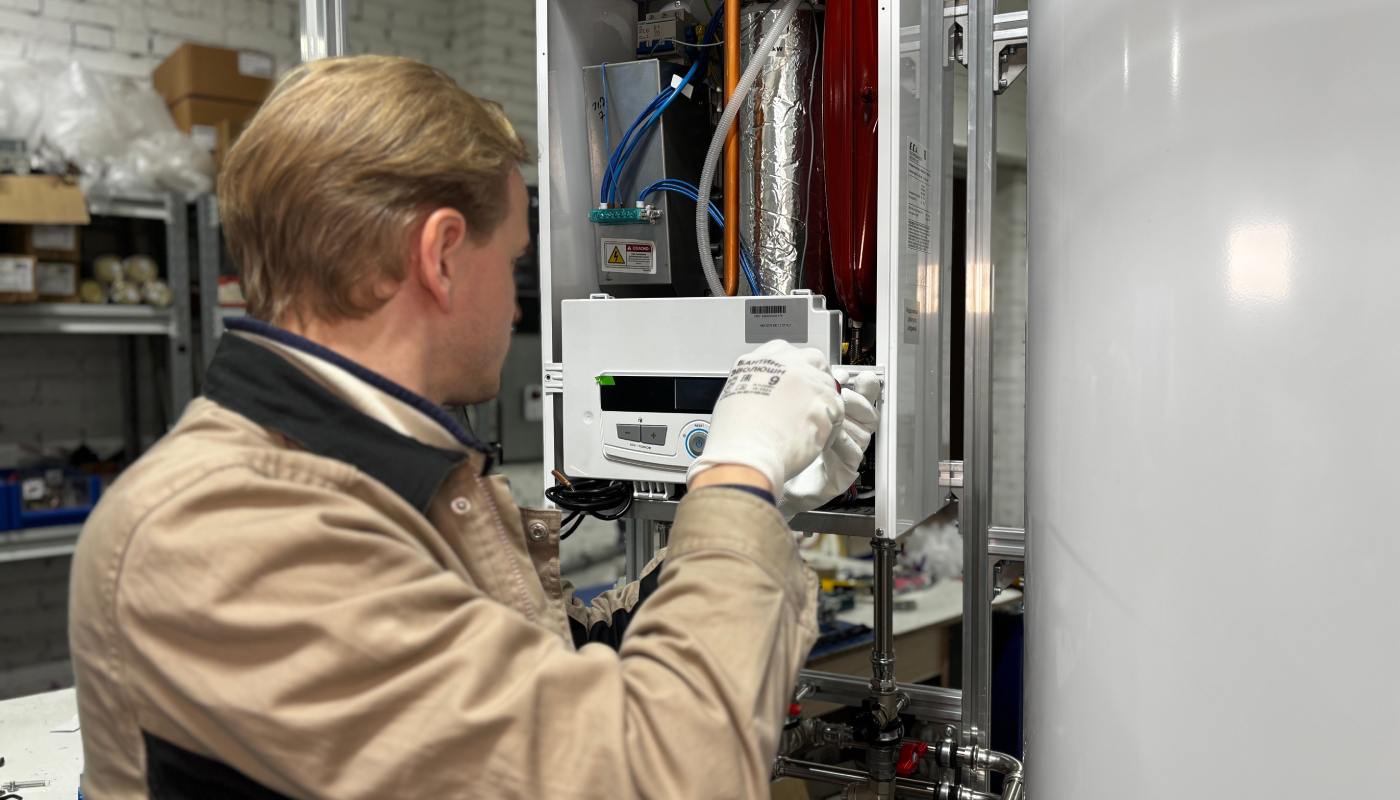
A customer's boiler has packed in. They are cold, a bit stressed, and they want it sorted today. They search, they find three local firms, and they ring the first one. No answer, so they leave a voicemail. They fill in the contact form on the second firm's website. Then they ring the third. Someone picks up, books them in for that afternoon, and the job is gone, before your voicemail has even been listened to.
That customer was yours to win. They had the problem, the money, and the intent. You lost them not on price, not on quality, not on reviews, but on the few minutes it took someone else to answer first. No other lost work is as winnable as this, and most owners never see it happen, because a lead that goes to a competitor leaves no trace. This piece is about why it happens and how to stop it.
The customer who needs you today is not waiting
The thing to understand about field service enquiries is that a lot of them are urgent, and urgency kills patience. Someone whose drain is blocked, whose alarm is faulting, or whose heating is off is not researching at leisure. They are working down a list, and they stop the moment someone competent says yes.
The research on this is blunt. A Harvard Business Review study of thousands of companies found that those which contacted a lead within an hour were far more likely to have a meaningful conversation than those who waited even sixty minutes longer. Other widely cited research puts the effect more starkly still: respond within five minutes rather than thirty and you are many times more likely to reach and qualify the lead at all. The numbers vary by study, but the direction never does. The first competent response usually wins, and the gap closes fast.
For field service the effect is sharper than for most industries, because the buying window is so short. A B2B software buyer filling in a demo form might wait a day. Someone with water coming through the ceiling will not wait an hour. The more urgent the job, the more brutally speed decides who gets it.

Why field service businesses are slow, and it is not laziness
Here is the part the generic advice misses. Most "respond faster" content is written for office sales teams with a CRM, a queue, and people whose entire job is to answer leads. A field service business is the opposite. The people best placed to answer are often the ones up a ladder, under a sink, or driving between jobs. The phone rings in an empty office, or the web form lands in an inbox nobody checks until evening.
So the slowness is structural, not a matter of effort. The enquiry comes in during the working day, precisely when everyone who could handle it is busy doing the work that pays. By the time someone gets back to the office, listens to the voicemail, and reads the form, hours have passed and the customer has booked elsewhere. The firm did nothing wrong by any normal standard. It just was not built to respond while the work was happening.
That is the trap. The busier you are, the worse your lead response gets, which means the periods when you most look like a thriving business are exactly the periods when you are quietly leaking the most work to competitors.
The two failures that cost you the most
When a lead goes cold, it is almost always one of two failures, and both are fixable.
The first is the unanswered call. A missed call with no callback, or a callback hours later, is a lost job most of the time, because the caller has already moved down their list. The fix is not "answer every call," which is impossible when your team is on the tools. It is making sure every missed call is captured and followed up fast, ideally with an immediate text acknowledging it, so the customer knows they have not been ignored and holds off ringing the next firm.
The second is the web form that vanishes into an inbox. A customer who fills in a form has actively chosen you, and getting nothing back for hours tells them you are either too busy or not bothered. Studies of inbound enquiries consistently find that a large share of web form leads are never contacted at all. That is pure waste: you paid, in time or advertising, to make that form get filled in, and then let the lead die in an inbox.
Both failures share a root cause: the enquiry arrives and nothing happens automatically. Everything waits on a human who is busy. Fix that single point and most of the leak stops.
What good lead response looks like
You do not need a call centre or an enterprise system. You need the enquiry to trigger something the moment it lands, and you need a clear owner for what happens next.
The first move is an instant acknowledgement. When a call is missed or a form comes in, the customer should hear back within minutes, even if it is just a short message: "Thanks for getting in touch, we've got your enquiry and will call you straight back to book you in." That one message buys you time, because a customer who knows they have been heard is far less likely to ring the next firm on the list. A simple automated text or email does this without anyone lifting a finger.
The second is a real follow-up, fast. The acknowledgement holds the customer; the actual call or booking wins them. The aim is minutes, not hours, and certainly not "when we're back in the office." That means someone owns lead response as a clear responsibility rather than it being everyone's job and therefore no one's.
The third is making it easy to say yes. The faster a customer can get booked, the less chance they slip away. Letting people book or request a slot online, through a customer portal or a simple booking option, means the keen ones can commit immediately instead of waiting for a callback that competes with your day job. The same applies to getting a quote out quickly while their interest is hot.
The fourth is following up more than once. Most customers who do not book on the first contact are not lost, they got distracted or were still deciding. A couple of polite follow-ups over the next few days recover a meaningful share of them, yet most field service businesses give up after one attempt, if they make one at all.

Why this is one of the cheapest wins available
Most efforts to grow a field service business cost money up front. More advertising, more vans, more staff. Faster lead response is different, because you are not trying to generate more enquiries. You are converting more of the ones you already get and already paid for.
Every enquiry that reaches you is the end product of money and effort, your website, your reviews, your advertising, your reputation. Letting a chunk of those die because nobody answered in time is the most expensive cheap mistake in the business. Fixing it does not require a bigger marketing budget; it requires the enquiries you already win to actually get answered. That is why response speed sits alongside the other fundamentals of growing a field service business: it improves the return on every other thing you are already doing. Our wider guide to getting more leads covers the generation side; this is about not wasting what generation brings in.
Where to start
You do not have to rebuild anything. Start by being honest about your current response: when an enquiry comes in during a busy day, what actually happens to it, and how long does it really take to get a reply out? Most owners find the answer is longer than they would like, and worse during the busiest periods.
From there, the fixes are small and compounding. Make sure every missed call and web form triggers an immediate acknowledgement so customers know they have been heard. Give one person clear ownership of getting back to enquiries fast. Make it easy for customers to book or request a slot themselves, and follow up more than once before writing a lead off. None of that requires more leads or more spend. It just stops you handing the work you already attracted to the firm that happened to answer first.
FAQs
What is speed to lead in field service?
Speed to lead is how quickly your business responds to a new enquiry, the gap between a customer ringing, filling in a form, or messaging, and you getting back to them. In field service it matters more than in most industries because many enquiries are urgent: a customer with a breakdown is working down a list of firms and tends to book the first competent one to respond, so a slow reply usually means a lost job.
How fast do you need to respond to a lead?
Faster than you probably are. Research consistently shows that responding within about five minutes dramatically improves your chances of reaching and converting a lead compared with waiting half an hour or more, and a Harvard Business Review study found firms responding within an hour far outperformed slower ones. For urgent field service work the window is even shorter, because the customer is actively contacting competitors at the same time.
Why do field service businesses respond to leads slowly?
Usually because the people best placed to answer are out doing the work. Unlike an office sales team with someone dedicated to leads, a field service firm often has everyone on the tools during the day, so calls go to voicemail and web forms sit in an inbox until the evening. The slowness is structural rather than a lack of effort, and it gets worse during busy periods, exactly when the most work is coming in.
How can a small field service business respond to leads faster without hiring?
By making the enquiry trigger something automatically and giving one person clear ownership of follow-up. An automatic text or email acknowledging a missed call or web form, sent within minutes, reassures the customer and buys you time before they ring a competitor. Letting customers book or request a slot online removes the wait entirely for keen ones. None of this needs extra staff, just a process that does not depend on a busy person remembering.
Are web form enquiries worth following up if they have gone quiet?
Yes. A large share of web form leads are never contacted at all, which is wasted money, and many customers who do not book on first contact were simply distracted rather than uninterested. A couple of polite follow-ups over the following days recovers a meaningful number of them. Because these leads already chose you by getting in touch, they are some of the cheapest work you can win back.


