
Business Insurance for Field Service: UK and Ireland Guide
-

-
-

07 Oct, 2026
-

15 min read
-

A damaged pipe can leave a contractor facing two different costs: repairing the work and paying for damage to the customer's property. A stolen van creates another distinction: insurance for the vehicle may leave the tools inside it uninsured.
These are the details that matter when choosing business insurance for a field service business. A certificate confirms that a policy exists. The policy wording determines which activities, people and losses it covers.
This Fieldmotion guide covers Great Britain, Northern Ireland and the Republic of Ireland. It separates legal obligations from client requirements, explains the main covers and provides practical checks for your next renewal or contract.
Scope: This is general information, not insurance or legal advice. Requirements depend on your business structure, activities and jurisdiction. Ask a qualified insurance broker or legal adviser to assess your circumstances before buying or changing cover. The examples below are illustrative, not reported claims.
Key takeaways: business insurance for field service
-
Employers' liability insurance is compulsory for most UK employers, subject to exemptions; the Republic of Ireland has a different legal position.
-
Motor insurance is compulsory for road use in both countries, and the policy must permit your drivers' particular business activities.
-
Public liability, professional indemnity and tools cover address different risks; buying one does not establish that the others are included.
-
Check contractual limits, declared activities, exclusions and cross-border cover before accepting work that changes your existing risk exposure.
-
Fieldmotion supports job records, forms and photographs that help document work; these records do not replace insurance or guarantee claim acceptance.
What insurance does a field service business need?
Your insurance should match your employees, vehicles, work activities, equipment and contracts. Start with the risks you carry rather than a package name such as trades insurance.
Separate three questions: what must you hold by law, what must you hold to satisfy a contract, and what losses could your business afford to fund itself? A policy can satisfy the first question while leaving the other two unanswered.
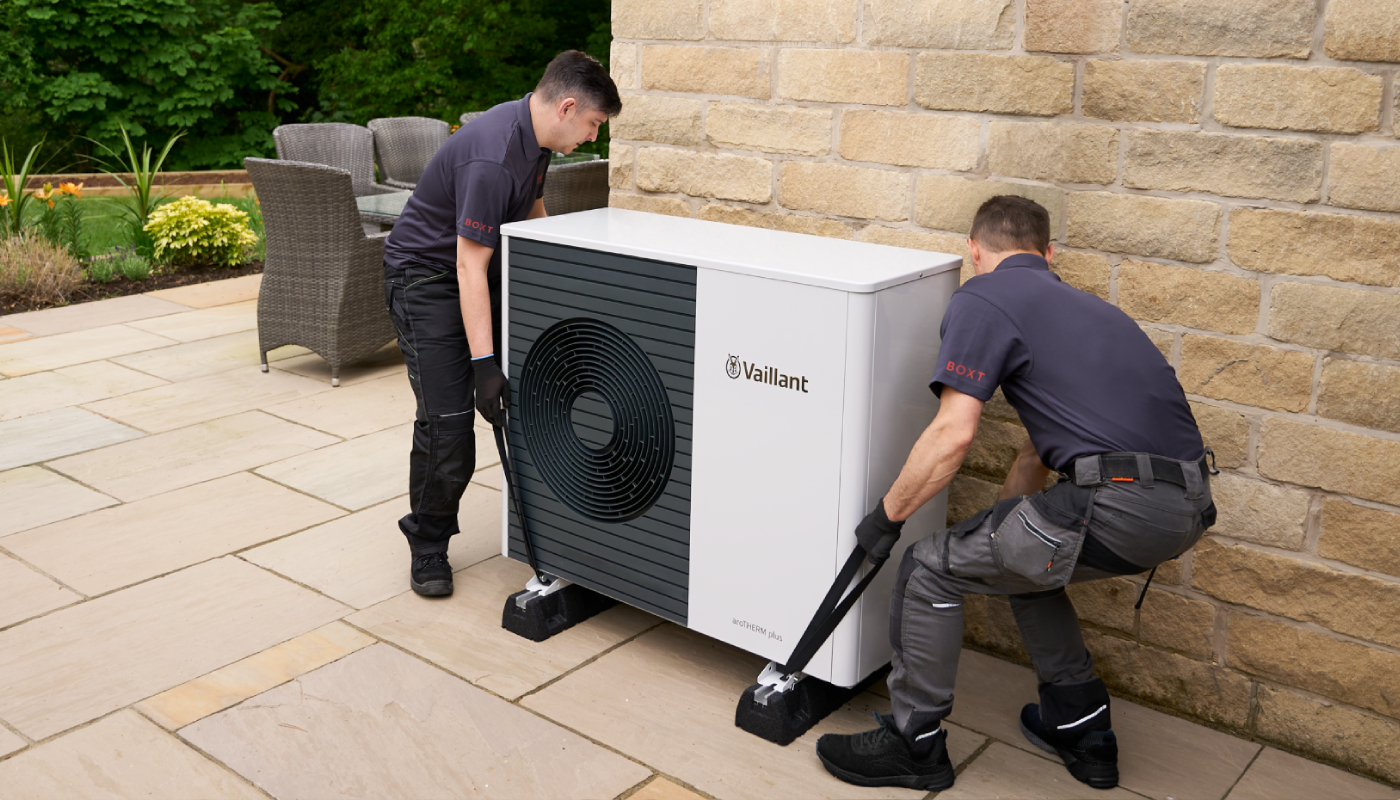
Match each risk to the relevant cover
-
Employee injury or work-related illness: employers' liability.
-
Injury to customers or damage to their property: public liability, subject to the policy wording.
-
Negligent design, advice or specification: professional indemnity.
-
Road accidents: motor insurance with appropriate permitted use.
-
Stolen or damaged equipment: tools, plant or equipment cover.
-
Materials damaged during transport: goods-in-transit cover where appropriate.
-
Damage to unfinished installations: contract works cover.
-
Loss of income following an insured interruption: business interruption cover.
A combined policy may include several sections. Check each section's limit, excess and conditions separately. A large public liability limit tells you nothing about the amount available for stolen tools.
Which business insurance is legally required?
For field service businesses, compulsory motor insurance and UK employers' liability are important starting points. Do not treat them as an exhaustive statement of every requirement that could apply to a specialist or regulated activity.
Employers' liability in Great Britain
Most employers in England, Scotland and Wales must hold employers' liability insurance from an authorised insurer, with at least £5 million of cover. It addresses liability for employee injury or disease arising from their work.
GOV.UK's employers' liability guidance sets out the minimum, certificate requirements and penalties. You can be fined £2,500 for each day you are not properly insured, and £1,000 for failing to display the certificate or show it to inspectors.
Apprentices and part-time employees do not remove the obligation. Display the certificate where employees can access it; electronic access can be suitable. Do not assume keeping a copy in an office folder meets the requirement if staff cannot see it.
Check exemptions rather than assuming they apply
There are limited exemptions from compulsory employers' liability in Great Britain. Examples include certain family-only businesses and a company whose sole employee owns at least 50% of its issued share capital. The family exemption does not apply to limited companies.
Employee location and business structure also matter. If you believe your business is exempt, check the full rules with your adviser rather than relying on the description sole trader, family business or subcontractor.
Using self-employed workers does not automatically settle the insurance question. Explain how they work, who supplies equipment and who controls the activity so your broker can assess the arrangement.

Employers' liability in Northern Ireland
Northern Ireland also requires employers' liability insurance, but under separate legislation: the Employer's Liability (Defective Equipment and Compulsory Insurance) (Northern Ireland) Order 1972.
HSENI's insurance guidance confirms a £5 million minimum and the requirement to display a valid certificate where employees can read it. Electronic display is allowed where staff know how to find the certificate and have reasonable access.
HSENI advises retaining historical certificates, even though keeping expired certificates is no longer a legal requirement. An old policy may become relevant when a work-related illness emerges after the employment or insurance period has ended.
Employers' liability in the Republic of Ireland
Employers' liability insurance is not generally compulsory by law in the Republic of Ireland. The Irish Legal Guide's explanation distinguishes the Irish position from the compulsory UK framework.
That does not remove an employer's potential liability to an injured employee. Irish employers retain health and safety duties, including those under the Safety, Health and Welfare at Work Act 2005. Insurance and safe working arrangements serve different purposes.
A client may also require employers' liability cover as a contractual condition. Before deciding to operate without it, consider how you would fund a defence and compensation award, and whether the decision excludes you from the work you intend to pursue.
What motor insurance do field service vehicles need?
Vehicles driven on UK or Irish roads need motor insurance, and the policy must permit the actual use. Check both the driver and the journey rather than assuming an insured vehicle is insured for every purpose.
Third-party insurance is the legal minimum. It protects against covered liability to others; it does not pay for damage to your own vehicle. Comprehensive cover adds own-vehicle protection, subject to its terms. Citizens Information's motor insurance guide explains the Irish categories and business-use considerations.
Check business use and the contents separately
A policy limited to social, domestic and pleasure use should not be assumed to cover visits to clients or travel between jobs. Personal car policies can include appropriate business use, so a separate commercial policy is not automatically necessary for every car.
Describe your journeys and loads accurately: visiting sites, transporting your own tools, carrying materials or transporting goods for others can raise different underwriting questions. Confirm who may drive and whether employees' own cars have appropriate business-use cover.
For vans, check the contents separately. Cover for theft of the vehicle does not establish cover for tools or stock inside it. Also establish whether replacement-vehicle or breakdown arrangements suit the work, rather than assuming a courtesy car can replace a working van.
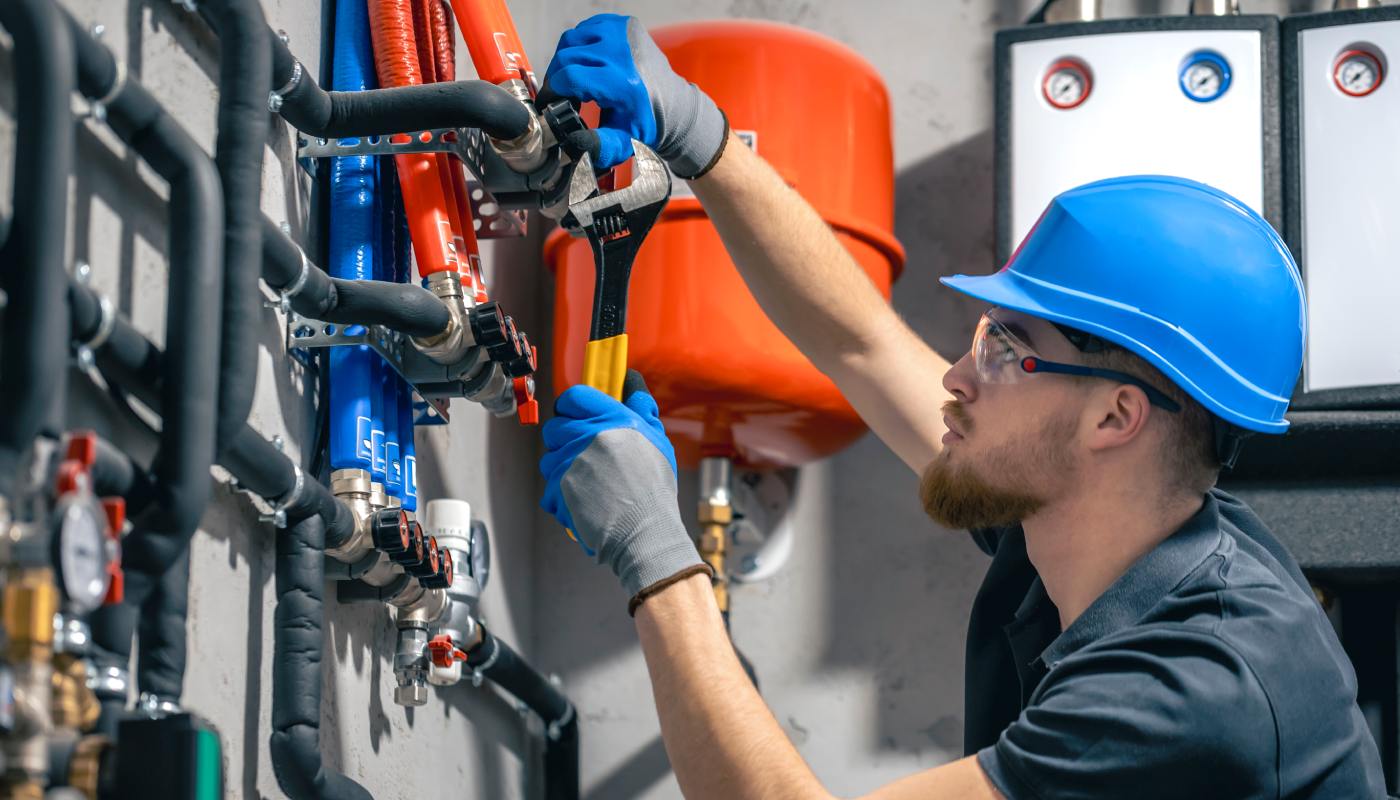
What does public liability insurance cover?
Public liability insurance addresses covered legal liability for injury to third parties or damage to their property arising from your business activities. It is not generally a statutory requirement for ordinary field service work, although specific activities, licences and contracts can impose requirements.
For a business entering customers' premises, the exposure is clear. A trailing cable could injure a visitor. An accidental leak during maintenance could damage fixtures below the work area. Whether a particular claim is covered depends on the facts and wording.
Do not confuse damage claims with rework
The cost of correcting defective work is different from damage that work causes to other property. Public liability should not be treated as a warranty that pays whenever an installation needs doing again.
Ask your broker to explain exclusions for defective workmanship, property being worked on and property in your care, custody or control. Those distinctions matter when an engineer damages the component they are repairing rather than an unrelated part of the building.
Prevention still needs its own process. Recording test results, checking work before handover and investigating repeated faults supports the operational discipline described in Fieldmotion's guide to reducing callbacks. Insurance does not remove the cost of routine rework.
Choose limits around the contract and exposure
There is no single public liability limit suitable for every trade or site. A contract may specify a minimum, but the value and use of surrounding property also deserve attention.
Check whether the limit applies per claim or across the policy period, and how defence costs affect the amount available. Confirm relevant sublimits and excesses. A headline figure cannot show these details.
Before spending time on a tender, inspect its insurance schedule alongside the other eligibility requirements. Fieldmotion's guide to commercial contracts explains why current certificates and evidence belong in a maintained tender library.
When do contractors need professional indemnity insurance?
Professional indemnity becomes relevant when a client relies on your advice, design, specification or other professional services. Assess the responsibility you accept, rather than deciding from the job title on your business card.
An HVAC contractor specifying equipment capacity, a fire specialist designing an alarm layout or an electrical contractor accepting design responsibility may have exposures beyond physical installation. Do not assume completing work to another party's drawing removes every professional responsibility.
Identify advice within the agreed scope
Advice can enter the job during surveys, recommendations and variations. Establish who is responsible for calculations, equipment selection, compliance judgements and design changes. Describe those activities to your broker.
Not every certificate automatically creates the same insurance requirement. Professional indemnity policies also vary: some cover particular financial losses, while others may address bodily injury or property damage arising from professional negligence.
A clear scope helps everyone understand what the client relied on. Retain specifications, assumptions, exclusions and accepted variations with the job, following the documentation approach in Fieldmotion's guide to accurate field service quotes.

Understand claims-made cover before cancelling
Professional indemnity is commonly written on a claims-made basis. Protection depends on the policy in force when a claim is made and notified, together with conditions such as retroactive dates and notification requirements.
Work completed years earlier can therefore remain relevant after retirement or a change in services. Ask about continuity and run-off cover before cancelling a policy. Do not assume a policy held on the installation date will automatically respond later.
How do you protect tools, materials and unfinished work?
Tools, transported materials and partially completed installations need attention beyond liability insurance. Identify who owns the property, where it is kept and who bears the risk of loss.
Tools cover and overnight vehicle conditions
Tools insurance can cover specified theft, loss or damage, but its name does not establish protection in every location. Check cover at customers' sites, in storage and in transit separately.
Overnight theft conditions deserve close reading. Policies may exclude tools left in vehicles or impose requirements for locks, alarms, concealed storage or parking locations. Tell the insurer how your team stores equipment in practice.
Keep purchase evidence, serial numbers, photographs and a current inventory. Check per-item limits, hired equipment, replacement basis and excesses. A policy total may be sufficient while a specialist instrument exceeds its individual-item limit.
Goods in transit and customer equipment
Goods-in-transit cover can protect materials or equipment during transport, subject to the insured goods, routes and conditions. Establish whether loading, unloading and temporary stops are included.
Equipment collected from a customer for repair raises a separate ownership question. Confirm protection for goods belonging to others, including storage at your premises. Do not infer that customer property is insured because your own stock is covered.
Contract works and hired plant
Contract works cover addresses insured physical damage to work in progress. It may be one section of a broader contractors' all risks package; those descriptions are not interchangeable guarantees of identical protection.
Check who arranges cover under the contract and whether it includes your work. Establish the position on existing structures, testing, completed sections and handover. Hired plant may need separate cover reflecting your obligations to the hire company.

What additional insurance is worth assessing?
Additional cover should address a defined financial exposure. Evaluate the event that triggers payment and the benefit available, rather than buying from the policy label alone.
Business interruption and recovery time
Business interruption cover commonly responds to lost income following insured physical damage, such as a depot fire. It should not be assumed to cover every event that interrupts trading.
Supplier interruption, denial of access and other extensions require specific checking. Discuss the insured financial measure, waiting periods and indemnity period with your adviser. Recovery may involve rebuilding, replacing equipment and restoring customer work, not simply reopening the door.
Personal accident and legal expenses
Personal accident cover can provide benefits for specified accidental injuries. Check who is insured, qualifying events, benefit levels and payment periods. It is distinct from employers' liability and should not be assumed to cover ordinary illness or every absence.
Legal expenses cover may assist with specified disputes, subject to exclusions, prospects-of-success tests and notification conditions. Confirm the position on existing disputes, contract disagreements and employment matters before relying on it.
Which insurance gaps should you check before accepting work?
Before accepting a new contract, compare its activities and insurance requirements with your current cover. A renewal certificate may look current while the underlying policy no longer matches the work.
Changed activities and working conditions
Tell your broker about changes such as hot work, work at height, hazardous materials, design responsibility or higher-risk sites. Confirm acceptance and any conditions before starting the changed activity.
Emergency work can change access, supervision and working hours. Fieldmotion's guide to out-of-hours callouts covers the operational planning involved; check that the insurance description also reflects the service you provide.
Insurance is separate from prevention. Maintain suitable risk assessments, training and communication arrangements for lone working. Holding a policy does not establish that a job is safe to undertake alone.
Subcontractors and contractual liability
Ask how your policies treat labour-only and independent subcontractors. Confirm any conditions requiring their own cover, specified limits or periodic verification. Keep evidence of that verification.
Read indemnities and liability clauses as well as the insurance schedule. A contract can impose responsibility beyond what a policy insures. Refer unusual wording to your adviser before signing; matching the requested certificate limit does not resolve that issue.
Cross-border work
For work across Great Britain, Northern Ireland and the Republic of Ireland, check both territorial cover and any jurisdiction restrictions on claims. The place of the job and the place where proceedings are brought can matter separately.
Confirm each relevant policy, including employers' liability, public liability, professional indemnity and motor cover. Do not assume that an extension on one extends the others. Provide your broker with the countries, activities and duration of the work.
How should you review cover and maintain evidence?
Review cover at renewal and when the business changes. Maintain records that allow your broker to assess the risk and your team to respond promptly to a potential claim.
Prepare a useful renewal brief
-
List your activities, locations and any services added since the previous review.
-
Update headcount, subcontractor arrangements, turnover and other figures the insurer requests.
-
Provide contract insurance requirements and flag unusual indemnities.
-
Review equipment values, security arrangements and hired-plant responsibilities.
-
Discuss incidents, complaints and circumstances that may need notification.
-
Check exclusions, excesses, sublimits and changes in the proposed wording.
-
Confirm certificate access, renewal ownership and the date each policy expires.
Do not wait until renewal to report a material change or potential claim. Ask your broker what must be notified during the policy period and retain confirmation of agreed changes.
Keep customer-facing insurance statements accurate and specific. Current certificates support the visible insurance credentials customers may look for. Avoid the broad phrase fully insured if it obscures exclusions or suggests protection beyond what you hold.
Keep records attached to the work
Useful job evidence includes the accepted scope, site observations, before-and-after photographs, work completed, test results and customer communications. Identify who recorded the information and when. Preserve earlier versions when scope changes.
Fieldmotion's mobile forms and photo capture support this documentation. Its mobile app supports offline work, with information synchronising when connectivity returns. Allow for that delay when the office needs evidence from an engineer working without a signal.
Fieldmotion also supports recurring workflows. Use field service automation for appropriate documentation handoffs, while retaining a named person responsible for checking insurance requirements and deciding when advice is needed.
Respond promptly to a potential claim
Follow the policy's notification procedure when an incident, allegation or relevant circumstance arises. Some wordings impose specific deadlines. Do not wait for a formal solicitor's letter if the policy requires earlier notification.
Make the situation safe, preserve evidence and record the facts. Retain photographs, witness details and relevant communications. Contact your insurer or broker before admitting liability, promising payment or agreeing a settlement, and follow their instructions.
Make the next insurance review specific
A useful insurance review connects the policy to the work you expect to do. Bring your adviser a current activity list, contract requirements, equipment values and unresolved questions, rather than simply asking for the same cover at a lower premium.
Finish with written confirmation of the activities and territories insured, the conditions your team must follow and any exposures that remain uninsured. Give the relevant instructions to the people scheduling work, supervising sites and storing equipment.
FAQs about field service business insurance
Is employers' liability compulsory in the Republic of Ireland?
It is not generally compulsory by law in the Republic of Ireland. Employers still face potential liability for workplace injury or illness, and clients can require cover contractually. Assess the exposure with a qualified broker rather than treating the absence of a statutory requirement as a recommendation to go uninsured.
Do sole traders need public liability insurance?
Sole traders can face third-party injury and property damage claims just as larger businesses can. Public liability is not generally compulsory for ordinary field service work, but a client, licence or specific activity may require it. The appropriate cover depends on your work and contractual obligations.
Does van insurance cover tools left inside?
Not necessarily. Vehicle cover does not establish protection for tools or materials. Check contents cover, per-item limits and overnight security conditions separately. Keep an inventory and purchase evidence, and ask your broker to confirm whether your actual storage arrangements satisfy the wording.
Can one policy cover UK and Irish jobs?
It can, if the policy explicitly provides the necessary territorial and jurisdiction cover. Confirm the position for each insurance section and your actual activities. An extension to motor insurance does not establish that public liability, employers' liability or professional indemnity also covers the same work.
Will insurance pay for correcting defective work?
Do not assume it will. Correcting the defective work and compensating for resulting damage are different exposures, and exclusions vary. Ask your broker to explain how the policy treats workmanship, the property being worked on and damage to other property before relying on it.


