
Gas Safety Records: What to Keep After the Job Is Done
-

-
-

16 Nov, 2026
-

12 min read
-
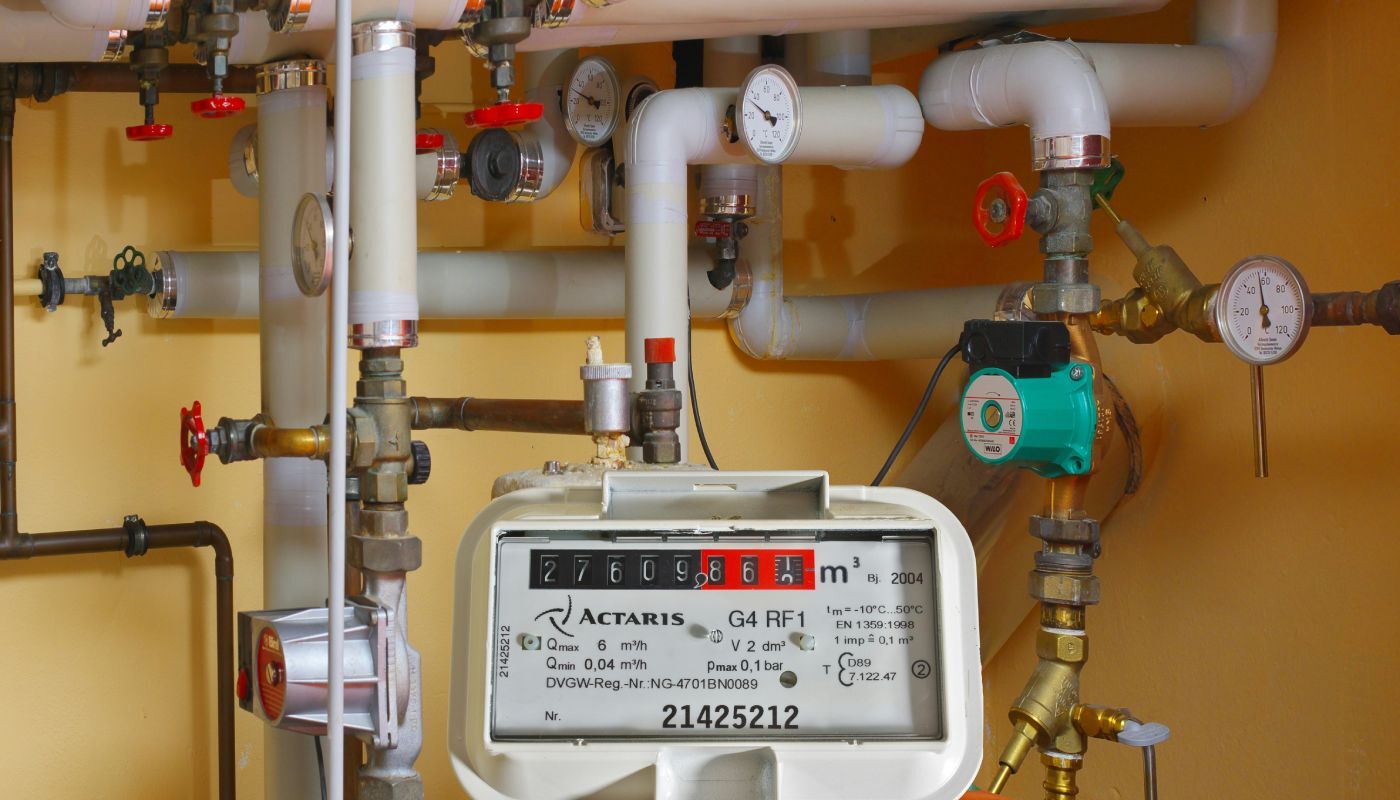
A letting agent asking for last winter’s gas record should not need to interrupt the engineer who attended. The office should be able to find the document, identify the appliance and see whether any follow-up remains open.
Getting there takes care at booking, on site and when the paperwork is issued. A service record, landlord safety check and installation certificate serve different purposes. The requirements also differ across Great Britain, Northern Ireland and the Republic of Ireland.
We make Fieldmotion, which supports digital job records. This guide covers the record-keeping process, including what to check before filing or sending a document. It is general administrative guidance; confirm the technical and legal requirements for your particular work with the relevant body or adviser.
Which Gas Record Does the Job Require?
“Can you sort the gas certificate?” needs a follow-up before it becomes a booking. Establish whether the customer needs a landlord check, servicing or installation paperwork, then record the agreed work in the diary.
A Service Record Documents Maintenance
A service record describes the maintenance carried out on an appliance. Include the equipment details, visit date, work completed, findings and any limitations. The agreed scope and applicable technical requirements determine what the service involves; a general job checklist cannot specify that for every appliance.
If the customer needs a service and a landlord safety check, book both explicitly and make sure the required work and records cover each. “Annual boiler visit” may fit neatly in the diary, but it tells the next person very little about what was agreed or completed.
A Landlord Record Documents the Required Safety Check
A landlord gas safety record documents the safety check required under the applicable landlord regulations. The Great Britain and Northern Ireland rules discussed below concern relevant rented residential premises, appliances and flues within their scope. They should not be presented as a universal record template for every commercial gas job.
Keep the visit, the issued record and the tenant copy as separate things to track. An engineer can have finished the check while the document is still awaiting delivery. If everything disappears behind one “job complete” status, the office can miss what remains to be done.
Installation Documents Have Their Own Purpose
Installation and completion documents relate to the work performed and the applicable scheme. They should not be substituted for a periodic landlord check record simply because both concern the same appliance. Confirm the relevant certification or notification route before work begins, particularly when your business operates in several jurisdictions.
Use the job card to bring together the appointment, labour, materials and supporting files. Label the attached certificates and records by type and reference. Someone looking for a landlord check should not have to open every attachment to find it.
Start With the Job’s Jurisdiction and Scope
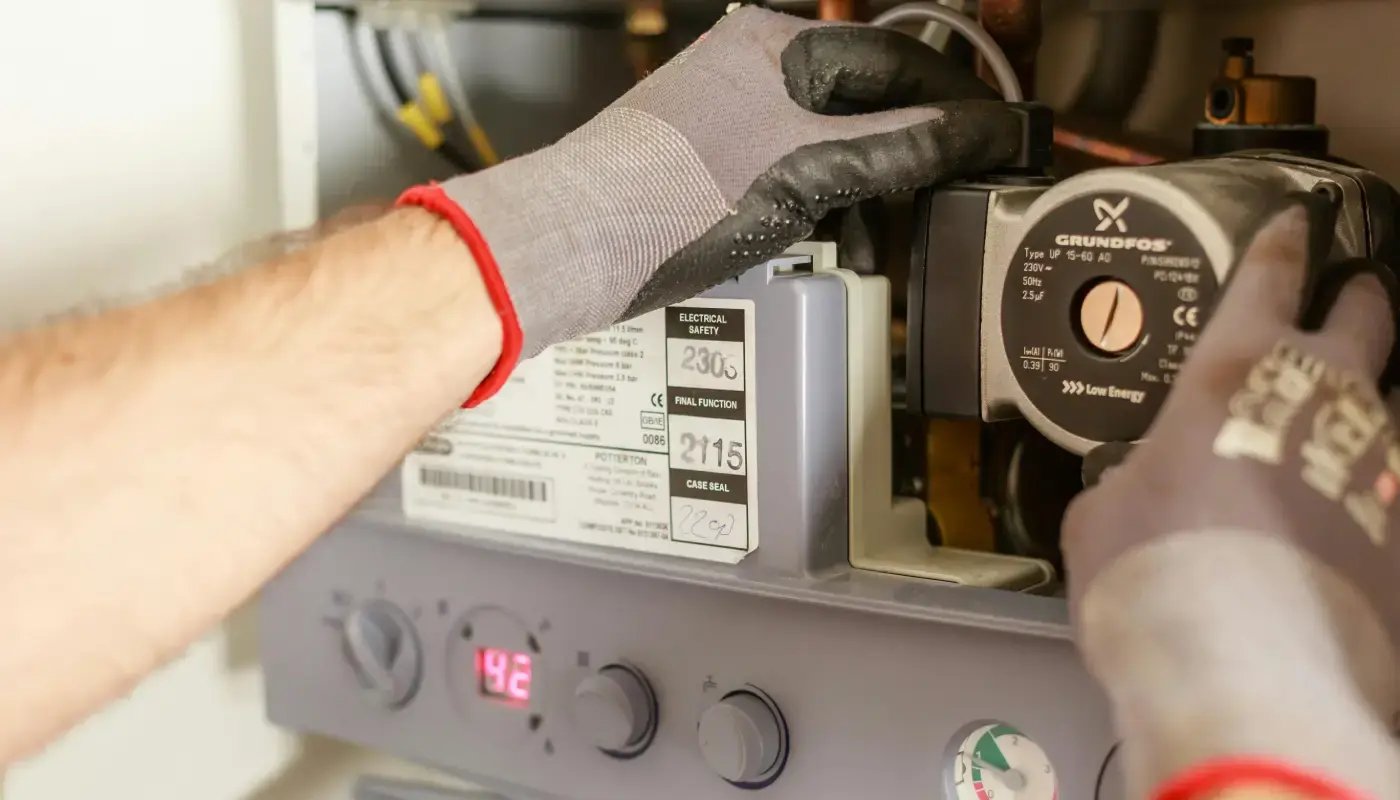
Choose the paperwork from the property address and the work being done, not the address on the customer account. An agent based in Newry could book a job in Dundalk. If your forms inherit the office address, the wrong assumptions can follow the engineer all the way to site.
At booking, confirm:
-
Property location: Great Britain, Northern Ireland or the Republic of Ireland, with the actual site address.
-
Setting and equipment: Domestic or commercial context, fuel type and relevant appliance details.
-
Commissioned work: Service, landlord check, installation, repair or a defined combination.
-
People and authority: Customer, landlord or agent, site contact and person authorising additional work.
-
Required outputs: Documents, recipients, delivery arrangements and any agreed review.
Use that information to assign someone with the appropriate registration, competence and scope for the work. Do not assume registration alone authorises every gas activity. Confirm the applicable position with the relevant register or supervisory body where work type, fuel or jurisdiction changes.
For repeat visits, record what is due and the reason for the date. Replace vague reminders such as “annual visit” with the specific service or check. Our guide to multi-site maintenance scheduling covers organising those tasks by site and asset.
Landlord Gas Safety Records in Great Britain
In Great Britain, regulation 36 of the Gas Safety (Installation and Use) Regulations 1998 sets out landlord duties within its scope. These include arranging the relevant safety checks, retaining records and supplying tenant copies. The following is an administrative summary, not a complete explanation of every exception or tenancy situation.
What Information Must the Record Contain?
HSE’s gas safety record guidance explains the required content. Your process should capture:
-
The check date and property address.
-
The landlord’s name and address, or the appropriate agent’s details.
-
The identity and location of each appliance or flue checked.
-
Safety-related defects identified and remedial action taken.
-
Confirmation that the check covered the matters required by the regulations.
-
The checker’s name and signature, together with the applicable registration number.
Usually, one record can cover the items checked at a property. HSE says the landlord need not sign it, although the landlord’s or agent’s details must be included. A customer signature acknowledging attendance has a different purpose from the checker’s required identification and signature.
Open a sample of the document your customer will receive. Check the full address, appliance details and signature are visible. A form can collect the right information while its exported document cuts off a field or leaves something out.
How Long Should Great Britain Records Be Retained?
The revised wording of regulation 36 requires a record to be retained until two further checks of that appliance or flue have taken place. For an appliance or flue removed from the premises, the last record must be retained for two years from its last check.
HSE’s explanatory guidance uses two years as a baseline and discusses longer retention where early-check flexibility is used. When setting your retention policy, account for the revised regulation’s wording, subsequent checks and equipment removal. An automatic two-year deletion setting could discard a record you still need.
Great Britain also has a regulation 36A provision allowing a check within the two months before its deadline to preserve the original deadline for calculating the next check. Do not interpret that as a general permission to delay checks. Confirm the applicable conditions before changing the schedule.
When Must Tenants Receive a Copy?
For premises within the rules, existing tenants must receive a copy within 28 days of the check. New tenants must receive the latest relevant record before occupation. Regulation 36 includes specified display alternatives, including certain short occupancies; these are not a general substitute for supplying individual copies.
HSE permits electronic copies where the tenant is happy to receive them electronically and can access them. A paper copy must be supplied if requested. With the landlord’s agreement, the engineer can send the electronic record directly. Agree responsibility and the delivery route before the appointment, rather than after a deadline is close.
The engineer’s record should not sit in an office queue until the tenant-copy deadline approaches. HSE says it should be issued once the required checks are complete, including where concerns are found. Attach the records of later remedial work to the original findings.
Gas Safety Records in Northern Ireland
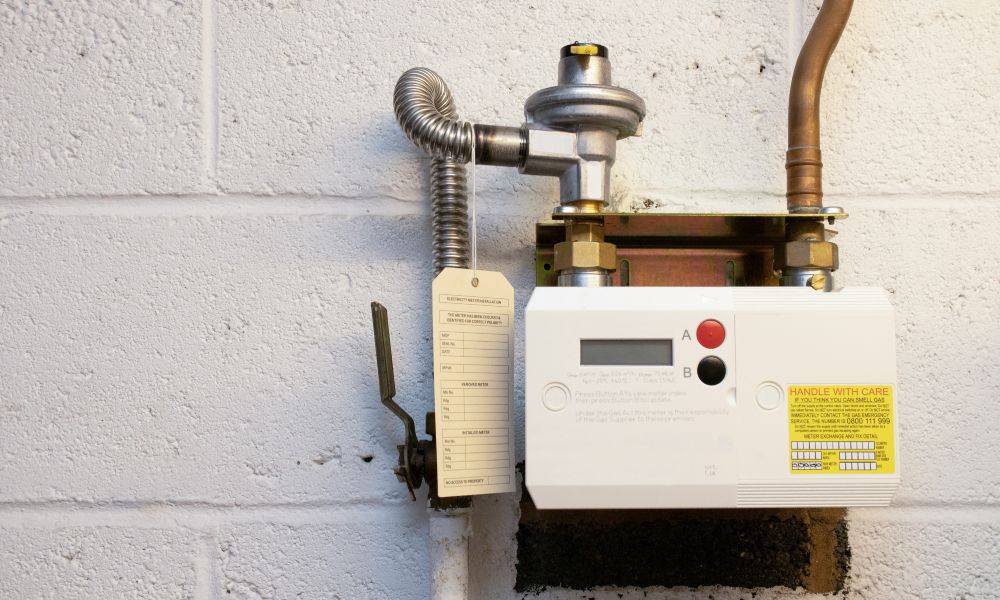
Northern Ireland has its own Gas Safety (Installation and Use) Regulations (Northern Ireland) 2004. Use that framework for Northern Ireland jobs rather than citing the Great Britain 1998 Regulations as if they applied throughout the UK. Similar-looking paperwork does not make the legal references interchangeable.
Regulation 36 in Northern Ireland requires records to be retained for two years from the check date. It also specifies relevant check-record contents and tenant-copy arrangements, including the 28-day deadline for existing tenants and provision to new tenants before occupation, subject to its stated alternatives.
Do not automatically apply Great Britain’s regulation 36A scheduling flexibility to a Northern Ireland property. Keep the rule source with your scheduling instructions. Where an engineer or customer asks to move a deadline, obtain an appropriate review rather than copying the arrangement used for a different jurisdiction.
If your office books jobs in both regions, make the location hard to overlook. Clearly labelled forms and a jurisdiction field give the person booking the job a useful check. Review the output for each location too. Correct paperwork still needs the engineer’s technical assessment behind it.
Gas Installation Documentation in the Republic of Ireland
In the Republic of Ireland, CRU’s domestic gas-work guidance states that a Registered Gas Installer (RGI) must be used for gas work in the home. This covers both natural gas and LPG.
CRU says RGIs must provide customers with a Declaration of Conformance Certificate, also called a Completion Certificate. Use the correct document and scheme process for the actual work. Do not rename a UK landlord form or assume a general mobile job sheet is the required certificate.
Keep the Completion Document Connected to the Work
Record the property, installer, work reference and certificate reference so the office can retrieve the correct document later. Distinguish the document issued under the scheme from an internal appointment note or customer invoice. Confirm the current certification arrangements with the scheme where the work or certificate type is unclear.
A domestic installation document should not be presented as an Irish version of the Great Britain annual landlord-check record. The underlying purposes differ. Equally, do not apply the Great Britain tenant-copy deadline or retention wording to an Irish document merely because the customer is a landlord.
Know When the Job Needs a Different Process
A domestic installation is not a template for every other gas job. Irish rented housing, commercial premises and industrial work can bring requirements beyond this guide. When the setting or activity changes, check the applicable rules rather than reusing a familiar form and hoping it covers the work.
Where work involves a separate network or scheme procedure, such as meter reconnection, follow the current authorised process. For the office, the useful questions are who is responsible, what evidence is needed and what remains outstanding. Technical instructions belong with the authorised procedure, not a general admin checklist.
A Practical Workflow for Reliable Gas Records
Take a recent job and check what happened to its record after the engineer finished. Look for anything still waiting to synchronise, be reviewed or reach the tenant. Assign each outstanding task to a named person and record when they will deal with it.
1. Prepare the Correct Job and Documents
Check the property, jurisdiction, commissioned work and recipients before dispatch. Confirm the engineer has the relevant history and document requirements. If the booking simply says “annual gas visit”, clarify the intended activities instead of allowing the engineer and office to make different assumptions.
Check the property and appliance references on site, especially where several units look alike. “The boiler in the utility room” may be clear while you are standing beside it. Months later, a precise reference can save another engineer from reading the history of the wrong appliance.
2. Capture Findings Without Filling Gaps From Memory
Record the work and findings while the evidence is available. Distinguish customer-reported symptoms, observations and conclusions. Document limitations or incomplete activities accurately; do not tick a check as completed merely because the field is mandatory or the office needs to close the appointment.
A separate finding may need action even after the booked activity is complete. Use your appropriate technical and safety escalation route. The process for reporting additional work helps separate observation, assessment and commercial approval, but urgent safety communication must not wait in a routine quotation queue.
3. Check the Record and Confirm Delivery
Check required identification, appliance references, findings, signatures and document completeness. Resolve administrative errors with the appropriate person without rewriting technical conclusions on their behalf. Keep corrections identifiable so readers can distinguish the issued version from an earlier draft.
Agree what the customer receives, who sends it and what happens if delivery fails. Clear customer handovers help connect the engineer’s explanation to the office’s next action. Sending an email and confirming the correct recipient can access its attachment are different checks.
What a Clear Office Handover Looks Like
In this hypothetical example, an engineer has completed a Great Britain landlord check and issued the record. The agent has agreed to distribute the tenant copies. The office still needs confirmation of delivery and must track a separate follow-up item.
An office note could read: “Record filed under property P-018 and sent to the agent. Tenant-copy delivery awaiting confirmation from the agent. Follow-up F-006 assigned to the office coordinator.”
This note tracks the paperwork. Any safety findings still require the appropriate technical action and escalation.
4. Preserve the History and Test Retrieval
Keep the original issued record, relevant corrections and subsequent action together. Apply the retention rule for that jurisdiction and document type, while considering other applicable contractual and record-management requirements. Do not assume the landlord’s minimum period automatically defines every record your engineering business should keep.
Ask a colleague who did not attend the job to retrieve the record and identify any outstanding work. Note where they need extra information and add the missing fields or handover steps. Our guide to facilities management reporting gives further examples of documenting findings and follow-up.
What Digital Job Records Can and Cannot Do
Digital records can reduce repeated entry and make documents easier to find. The engineer still needs to carry out the work correctly, and your business needs appropriate technical review and certification arrangements. A required field can prevent a blank answer, but it cannot verify the answer entered.
Fieldmotion supports mobile forms, photographs, signatures and job information. Its mobile app supports work in locations with poor connectivity. Newly captured offline information needs to synchronise before the office can see it. Use a direct route for urgent findings rather than relying on an upload that has not arrived.
Configure forms and workflows against your requirements, then test the output. Do not assume a platform automatically meets every Gas Safe or RGI documentation requirement. Fieldmotion’s role in organising records is separate from the authority to issue a particular certificate or the professional judgement recorded in it.
Before retiring an old system, retrieve a historical gas record from the new system or retained archive. Check its attachments and property reference too. Our guide to switching job management software covers planning that transfer and testing the records you need to keep.
Frequently Asked Questions About Gas Safety Records
Is a Boiler Service the Same as a Landlord Check?
No. Servicing and the required landlord safety check have different purposes. They may be arranged during one visit, but the work and documentation need to cover each activity properly. Do not treat a service invoice as proof that the statutory check was completed.
How Long Must a Landlord Keep Gas Safety Records?
The answer depends on jurisdiction. Great Britain’s revised regulation 36 ties retention to two further checks, with a two-year rule for removed appliances or flues. Northern Ireland’s regulation 36 specifies two years from the check. Do not use one automatic deletion rule for both.
Can Gas Safety Records Be Stored Electronically?
HSE permits electronic storage in its Great Britain guidance if records are protected, reproducible in hard copy and identify the engineer. Tenant delivery has separate conditions. Check the applicable scheme and jurisdiction rather than assuming every document can use an identical digital process.
Does the Irish RGI Scheme Cover LPG?
Yes. CRU’s guidance on gas work in the home expressly covers natural gas and LPG. Confirm that the installer and certification arrangements match the actual work. Do not use this domestic summary as a statement of the requirements for every commercial or industrial installation.
Does a Digital Form Replace an Official Certificate?
Not simply because it contains similar fields. Fieldmotion can support job information and digital capture, but your team must confirm the required certification process. Keep internal job records distinguishable from the formal document issued under the applicable scheme.
What Should Happen If an Old Record Is Missing?
Search the original records and appropriate parties for an authentic copy. Distinguish an unavailable document from a check that was never completed. Record the gap honestly and obtain appropriate advice on the next action. Never backdate a document or invent findings to complete the history.


